
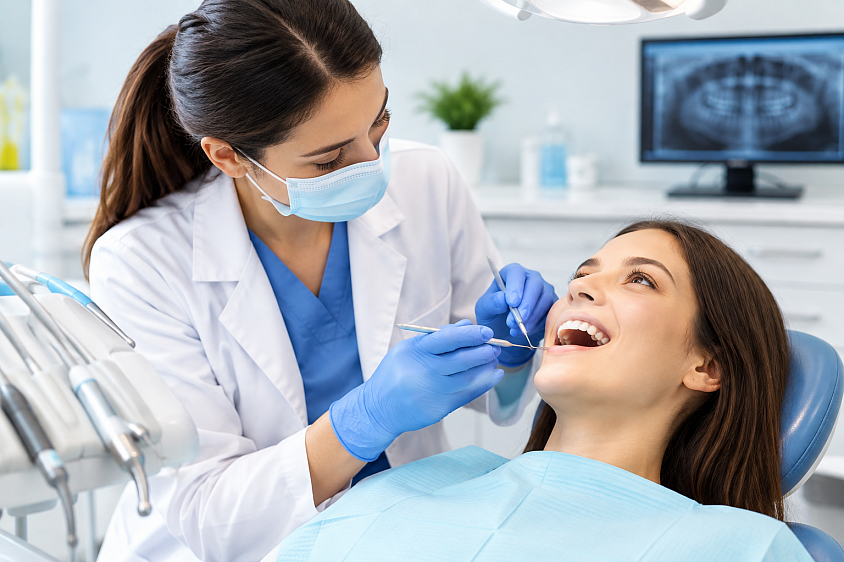
Why Healthy Gums Matter for a Strong and Comfortable Smile
Healthy teeth are often the main focus of oral care, but the gums deserve just as much attention. Gum tissue surrounds and supports the teeth, making its condition an important part of maintaining a comfortable mouth. People looking for a dentist in San Antonio Texas may be concerned about a particular dental issue, but understanding everyday gum care can help support oral health before discomfort develops. Gum problems can sometimes begin with subtle changes that are easy to overlook. Redness, tenderness, swelling, or bleeding during brushing may seem minor, yet these signs can provide useful information. Paying attention to the gums, maintaining consistent oral hygiene, and attending regular dental examinations can help people remain aware of changes that may affect their oral health. The Important Role of Gum Tissue
Gums provide a protective barrier around the teeth and help keep the structures supporting them healthy. They fit closely around the teeth and cover areas that would otherwise remain exposed to the oral environment. Healthy gums generally have a firm appearance and should not regularly bleed during ordinary cleaning. Because the gums are constantly exposed to food particles and bacteria, daily care is important. Plaque can accumulate along the gumline when brushing and cleaning between the teeth are inconsistent. Over time, this buildup can irritate the surrounding tissue. Paying attention to the gumline during everyday oral hygiene can therefore be just as important as cleaning the visible surfaces of the teeth. How Plaque Can Affect the Gums
Plaque is a sticky layer that can develop on teeth throughout the day. It contains bacteria and can accumulate around areas that are difficult to clean. When plaque remains along the gumline, the surrounding tissue may become irritated. This irritation can lead to changes such as redness, swelling, or bleeding. Regular brushing and cleaning between the teeth can help remove plaque before it remains in place for extended periods. Some areas may still be difficult to clean thoroughly, which is one reason professional dental care has a role in maintaining oral health. The condition of the gums can change gradually, so a consistent cleaning routine provides an important foundation for keeping the mouth clean and comfortable. What Bleeding Gums May Tell You
Seeing blood while brushing or cleaning between the teeth can be concerning, but it does not always mean that a serious problem exists. Gum bleeding can occur when tissue is irritated, especially when plaque has accumulated around the gumline. Brushing too aggressively can also contribute to irritation. The useful response is to pay attention to how often bleeding occurs and whether it continues despite consistent, gentle oral hygiene. If bleeding is frequent or accompanied by swelling, tenderness, changes in the gums, or other concerns, it is worth discussing with a dental professional. Avoiding the area completely because it bleeds may allow plaque to remain in place. Gentle, consistent cleaning is generally more helpful than stopping oral hygiene altogether. Why Cleaning Between Teeth Matters
A toothbrush cannot always reach every surface between neighboring teeth. Food particles and plaque can remain in these areas, making cleaning between the teeth an important part of daily oral hygiene. Different people may find different cleaning tools more practical, and a dental professional can provide guidance based on individual needs. The goal is to remove buildup without damaging the gums. When cleaning between the teeth becomes a regular habit, people may become more familiar with how their gums normally look and feel. This makes it easier to notice changes. A consistent approach also supports the areas around the teeth that may otherwise receive less attention during ordinary brushing. The Impact of Brushing Technique
Brushing harder does not necessarily mean brushing better. Excessive pressure can irritate the gums and contribute to wear on tooth surfaces. A gentle approach with appropriate brushing technique can clean the teeth while reducing unnecessary stress on the gumline. Reaching all tooth surfaces is important, including the areas near the gums. Taking enough time to brush carefully can be more useful than rushing through the process. Replacing a worn toothbrush or brush head when necessary can also support effective cleaning. People who are unsure whether their technique is appropriate can discuss it during a dental appointment. Small adjustments to brushing habits can make everyday oral hygiene more comfortable and effective. Gum Health at Different Ages
Gum care remains important throughout life, although individual needs can change. Children are learning how to brush and clean their mouths, so parents may need to provide guidance and supervision. Teenagers may develop different eating, cleaning, and lifestyle habits that influence oral hygiene. Adults often have established routines but may struggle to maintain them during busy periods. Older adults can experience changes in the mouth that make gum care especially important. Regardless of age, noticing changes in the gums can help people communicate concerns earlier. A regular oral hygiene routine can provide a stable foundation while professional examinations offer an opportunity to evaluate areas that may be difficult to assess at home. Lifestyle Habits and Gum Care
Daily habits outside brushing can also influence the condition of the mouth. Eating patterns, hydration, stress, tobacco exposure, and other lifestyle factors can affect oral health in different ways. Drinking water can help rinse the mouth and support normal saliva function. A varied diet can provide nutrients needed by the body. Maintaining consistent oral hygiene remains important even when daily schedules become demanding. People may also benefit from paying attention to habits that cause irritation, such as using excessive force when brushing or repeatedly placing pressure on the gums. The goal is to create routines that are practical and sustainable rather than relying on occasional intensive cleaning. When Gum Changes Should Be Discussed
Gum changes are easier to evaluate when they are noticed and communicated clearly. Persistent bleeding, swelling, tenderness, changes in gum position, or ongoing discomfort should not simply be ignored. dentist in San Antonio Texas can be part of finding appropriate professional care when someone notices changes that continue over time. A dental examination can provide a closer look at the gums and surrounding structures. The earlier a person discusses a persistent concern, the more information a professional has when considering possible causes. Healthy gums support comfortable eating and contribute to the overall condition of the mouth. Daily brushing provides an important foundation. Cleaning between the teeth helps address areas that are harder to reach. Gentle technique can reduce unnecessary irritation. Regular examinations can help people stay aware of changes. Children can learn healthy habits with guidance from adults. Consistent care throughout adulthood can also support long-term oral awareness. Paying attention to gum health is therefore an important part of caring for the whole mouth.
Member Spotlight
Local Dental
4419 E Evans Rd Suite 105
San Antonio, TX 78259
(210) 686-1486
https://localdentalsa.com/
Get Map Directions:
https://maps.app.goo.gl/6jfGvKNZVFtathwN6
Gum health is an important part of maintaining a comfortable and healthy mouth. People searching for a dentist in San Antonio Texas may have questions about bleeding, swelling, tenderness, or changes around the gumline. Professional dental care can provide an opportunity to discuss these concerns and understand what may be contributing to them. At home, gentle brushing and regular cleaning between the teeth can help control plaque around areas where gum irritation may develop. Paying attention to changes is also useful because recurring symptoms can provide important information during an examination. Children can benefit from learning proper oral hygiene habits early, while adults can maintain routines that fit their daily schedules. Older adults may need to remain particularly attentive to changes in their gums and overall oral condition. Consistent care does not require complicated steps. It requires regular attention, suitable cleaning habits, and professional evaluation when something appears different or continues to cause concern.
Why Early Attention Matters for Dental Concerns
Small Changes Should Not Be Ignored
A person may notice a small change in the mouth and wonder whether it is worth discussing with a dental professional. Someone searching for a Dentist in San Antonio may be looking for guidance because a tooth feels different, the gums have changed, or something simply does not seem normal. Not every change indicates a serious concern, but paying attention to unusual symptoms can be an important part of responsible oral care. The mouth can provide useful signs about what is happening with teeth and gums, and noticing those signs gives people an opportunity to respond thoughtfully. Waiting until discomfort becomes difficult to manage is not always the best approach. Instead, people can make oral awareness part of their normal routine by observing changes, maintaining daily hygiene, and discussing persistent concerns during a dental appointment.
Recognizing Common Changes in the Mouth
The mouth can change in many ways, and people may notice differences while brushing, eating, speaking, or simply looking in the mirror. Sensitivity to hot or cold foods, discomfort when chewing, bleeding around the gums, or a tooth that feels different can all attract attention. Some symptoms may have simple explanations, while others may need professional evaluation. The important point is not to diagnose the problem independently but to recognize that a change has occurred. Keeping track of how long a symptom lasts and whether certain activities make it better or worse can also provide useful information. This awareness can help create a clearer conversation during a dental visit. Instead of dismissing a recurring symptom, patients can mention it during an appointment and allow a dental professional to determine whether further attention is appropriate.
Why Persistent Sensitivity Deserves Attention
Tooth sensitivity can occur for different reasons, and occasional sensitivity does not necessarily mean the same thing as persistent discomfort. A person may notice a brief reaction to cold drinks, hot foods, sweet items, or even cold air. When this reaction happens repeatedly or becomes more noticeable, it can interfere with normal eating and drinking habits. Some people respond by avoiding certain foods or beverages rather than investigating why the sensitivity is occurring. While changing habits may provide temporary comfort, recurring sensitivity is still worth discussing with a dental professional. A careful evaluation can help determine what may be contributing to the sensation. Understanding the cause is generally more useful than simply working around the symptom. Paying attention to patterns can also help patients describe their experience more accurately during an appointment.
Paying Attention to Gum Changes
Gums can provide important clues about oral health, yet they are sometimes overlooked because people naturally focus on their teeth. Changes such as recurring bleeding, swelling, tenderness, redness, or changes in the way gums fit around teeth can deserve attention. Occasional irritation may have different causes, but repeated symptoms should not simply become part of a person’s normal routine. Daily cleaning along the gumline and between teeth can support better hygiene, while professional examinations can provide a closer evaluation. People should also avoid using excessive force when brushing because aggressive habits can make gum tissue uncomfortable. A balanced routine involves gentle cleaning, regular observation, and professional guidance when something appears unusual. Paying attention to the gums can help individuals develop a more complete understanding of oral health instead of focusing only on visible tooth surfaces.
The Importance of Addressing Discomfort Early
Dental discomfort can range from mild and occasional to persistent and disruptive. When discomfort appears, some people may wait to see whether it disappears on its own. While temporary symptoms can sometimes resolve, ongoing or worsening discomfort deserves consideration. Ignoring a recurring problem can also make daily activities such as eating, sleeping, speaking, or concentrating less comfortable. Seeking professional guidance does not mean assuming that a serious issue exists. It simply gives the person an opportunity to understand what may be happening. A dental professional can review symptoms, examine the mouth, and explain appropriate next steps based on individual circumstances. This approach can replace uncertainty with information. Early attention can therefore be viewed as a practical part of oral health rather than something reserved only for situations involving significant discomfort.
How Regular Visits Improve Awareness
Routine dental appointments provide more than an opportunity to address immediate concerns. They can also create a consistent record of changes in the mouth over time. When patients attend regularly, dental professionals can compare observations from different appointments and notice developments that may not be obvious to the patient. Regular visits can also provide opportunities to discuss changes in brushing habits, sensitivity, gum comfort, or other everyday concerns. This ongoing communication can help patients become more aware of their own oral health. A person does not need to wait until something hurts before discussing an issue. Even a minor concern can be mentioned during a routine visit if it has been persistent or unusual. This makes dental care more proactive and helps people develop a habit of paying attention to their mouths throughout the year.
Building a More Proactive Oral Health Routine
Good oral care is easier to maintain when awareness becomes part of everyday life. Brushing regularly, cleaning between teeth, choosing beverages thoughtfully, and paying attention to changes can all support a practical routine. Professional dental visits add another layer by providing opportunities for examination and discussion. The goal is not to become anxious about every small sensation but to recognize patterns that deserve attention. A person who understands their normal oral condition may be more likely to notice when something changes. That awareness can encourage timely communication and reduce the tendency to ignore recurring symptoms. Over time, this approach can help make dental care more predictable and manageable. Instead of waiting for a problem to become disruptive, people can treat regular attention as a normal part of maintaining their overall well-being.
Member Spotlight
Local Dental
4419 E Evans Rd suite 105,
San Antonio, TX 78259
(210) 686-1486
Get Map Direction
https://maps.app.goo.gl/6jfGvKNZVFtathwN6
Choosing a dental professional can be an important decision when a person wants dependable guidance about oral health. A Dentist in San Antonio can help patients discuss changes that they notice in their teeth or gums and understand what those changes may require. A dental appointment can provide an opportunity to talk about sensitivity, discomfort, gum changes, or other concerns that may affect everyday comfort. Patients can also use visits to ask questions about maintaining good oral hygiene between appointments. Consistent communication can make it easier to understand personal oral health needs and develop practical habits. Paying attention to changes, maintaining regular cleaning, and seeking professional guidance when symptoms persist can create a more proactive approach to dental care. Rather than waiting for discomfort to interfere with daily activities, people can make regular attention and informed conversations part of a steady oral health routine.
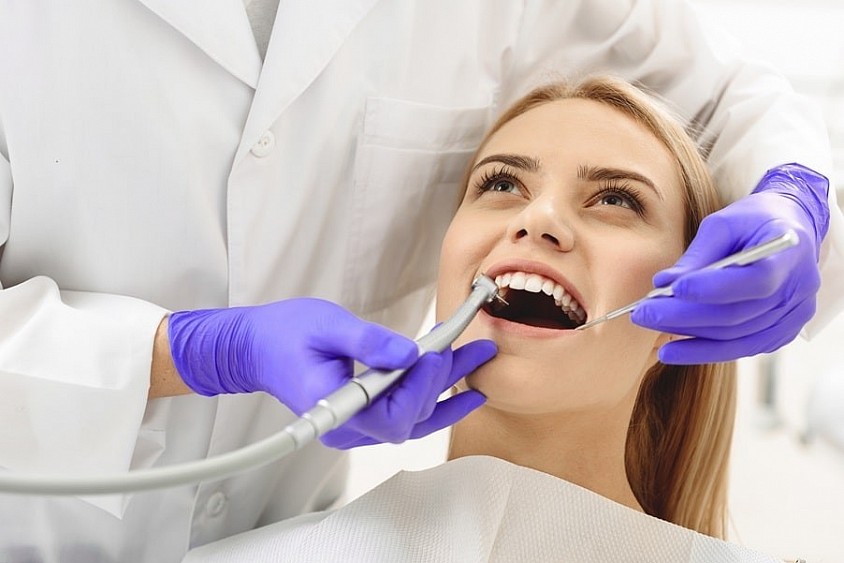
How Preventive Care Supports Every Visit to the Dentist San Antonio TX
A healthy smile is the result of consistent care rather than occasional treatment. While many people think about dental appointments only when discomfort develops, preventive dentistry offers a proactive approach that helps maintain healthy teeth and gums throughout life. Routine examinations, professional cleanings, and patient education all work together to reduce the likelihood of more complicated dental concerns while preserving natural teeth whenever possible. Every stage of life brings different oral health needs, making it valuable to establish a routine that supports long-term wellness instead of waiting for problems to appear. Preventive care also creates opportunities for dental professionals to provide personalized recommendations based on individual habits, lifestyle, and oral health goals. Choosing a Dentist San Antonio TX who values prevention helps patients build healthy routines, gain confidence in their smiles, and maintain strong oral health through every phase of life.
Routine Dental Visits Help Detect Small Concerns Before They Grow
Preventive dental care begins with regular examinations that allow dental professionals to monitor oral health over time. Many dental concerns develop gradually without obvious discomfort during the early stages, making routine evaluations an important part of protecting long-term oral health. Professional examinations provide an opportunity to identify early signs of tooth decay, monitor gum health, evaluate existing dental restorations, and assess changes that may require attention before they become more challenging to manage. These visits also include professional cleanings that remove plaque and buildup that daily brushing and flossing cannot always eliminate completely. Patients receive guidance on improving oral hygiene habits, selecting appropriate dental care products, and maintaining healthy routines at home. Preventive appointments encourage consistency while helping patients understand how small daily habits contribute to healthier teeth and gums. Establishing a regular schedule allows preventive care to become a reliable part of maintaining lifelong oral wellness.
Comprehensive Dentistry Provides Care Throughout Every Stage of Life
Dental needs naturally change from childhood through adulthood, making comprehensive services an important part of long-term care. Family dentistry provides continuity by supporting patients of different ages while encouraging preventive habits that continue throughout life. Kids dentist services introduce younger patients to positive dental experiences that reduce anxiety and help establish healthy brushing and flossing routines. Cosmetic dentistry offers solutions for improving the appearance of stained, chipped, or uneven teeth while supporting greater confidence in everyday interactions. Dental implants restore missing teeth by improving function, comfort, and smile appearance. Root canals help preserve natural teeth whenever the inner portion of a tooth requires treatment, allowing patients to maintain their original tooth structure whenever possible. Emergency dentistry provides prompt attention when unexpected dental situations occur, reducing the risk of further complications. Sedation supports patients who feel nervous during treatment, creating a more comfortable experience that encourages continued dental care.
Healthy Habits Outside the Dental Office Make a Lasting Difference
Professional dental care is most effective when combined with consistent oral hygiene habits at home. Brushing thoroughly, flossing every day, staying hydrated, and making thoughtful dietary choices all contribute to stronger teeth and healthier gums. Dental professionals often educate patients about techniques that improve cleaning efficiency while recommending products that suit individual oral health needs. Nutrition also influences dental wellness because foods and beverages affect tooth enamel and gum health over time. Patients who understand the connection between daily habits and oral health are often more motivated to maintain consistent routines between appointments. Family dentistry encourages parents to model healthy behaviors for children, helping establish habits that continue into adulthood. Preventive education empowers patients to take an active role in protecting their smiles while reducing the likelihood of avoidable dental concerns. Healthy routines practiced every day support the benefits of regular professional dental care.
Long-Term Oral Health Is Built Through Consistency and Personalized Care
Maintaining healthy teeth and gums requires ongoing attention rather than temporary solutions. Preventive examinations allow dental professionals to develop personalized treatment plans that evolve as oral health needs change over time. Cosmetic dentistry may enhance appearance when patients wish to improve their smiles, while dental implants restore function after tooth loss. Root canals preserve natural teeth whenever possible, reflecting modern dentistry's emphasis on conservation. Emergency dentistry provides timely treatment during urgent situations, helping patients protect their oral health when unexpected concerns arise. Sedation encourages individuals with dental anxiety to receive important care comfortably, reducing the likelihood of delayed treatment. Family dentistry and kids dentist services reinforce lifelong preventive habits that support every generation. Consistency in professional care, combined with strong oral hygiene practices at home, creates the foundation for healthy smiles that remain functional, comfortable, and confident for years to come.
Member Spotlight
Local Dental
4419 E Evans Rd suite 105,
San Antonio, TX 78259
(210) 686-1486
Get Map Direction
https://maps.app.goo.gl/6jfGvKNZVFtathwN6
Preventive care is an important part of maintaining healthy teeth and gums throughout life. Choosing a Dentist San Antonio TX means looking for comprehensive services that include family dentistry, kids dentist care, cosmetic dentistry, dental implants, emergency dentistry, sedation, and root canals when appropriate. Routine examinations help identify concerns early, while preventive education encourages healthier daily habits that protect natural teeth. Cosmetic treatments improve smile appearance, restorative procedures preserve function, and emergency care provides prompt attention when unexpected dental concerns arise. A consistent combination of professional treatment and good oral hygiene supports long-term oral wellness while helping patients enjoy healthier smiles and greater confidence every day.

Building Healthy Dental Habits for Every Stage of Life
Healthy dental habits are important at every age. People often begin learning about oral care during childhood, but maintaining those habits throughout life requires ongoing attention and commitment. Many individuals turn to a dentist in San Antonio when looking for information about creating routines that support long term oral wellness. While oral health needs may change over time, the importance of consistent care remains the same. Developing strong habits early and adapting them as life changes can help individuals maintain healthier smiles and better overall well being. By focusing on education and consistency, people can support their oral health goals throughout every stage of life.
Learning Healthy Habits During Childhood
Childhood is often the starting point for lifelong oral health habits. During these early years, children learn how to care for their teeth and understand the importance of daily oral hygiene. Positive experiences and consistent guidance can help establish routines that continue into adulthood.
Parents and caregivers play a significant role in teaching healthy behaviors. Encouraging regular brushing and flossing can help children develop a sense of responsibility for their oral health. Education is also important because it helps children understand why these habits matter. When young individuals learn the value of oral care, they are more likely to maintain those practices as they grow older.
Healthy habits formed during childhood can create a strong foundation for future oral wellness. By emphasizing consistency and education, families can support positive behaviors that benefit children throughout their lives. These early lessons often become the building blocks of long term oral health success.
Maintaining Consistency During Adulthood
As people enter adulthood, schedules often become busier and responsibilities increase. Despite these changes, maintaining consistent oral health habits remains important. Daily routines provide structure and help individuals continue prioritizing their oral wellness even when life becomes demanding.
Consistency is often more effective than occasional efforts. Small habits performed every day can contribute to healthier outcomes over time. Adults who remain committed to oral care routines often find it easier to maintain their oral health goals and feel more confident about their smiles.
Education continues to be valuable during adulthood. Learning about oral wellness allows individuals to make informed decisions regarding their daily habits. As knowledge grows, people can adjust their routines to better support their needs and lifestyle. This commitment to consistency and learning helps create a stronger foundation for long term oral health.
The Importance of Oral Health Awareness Over Time
Awareness is a key factor in maintaining healthy habits throughout life. Individuals who stay informed about oral health are often better prepared to recognize changes and make positive decisions. Awareness encourages people to take an active role in maintaining their wellness rather than waiting until concerns become more noticeable.
Paying attention to oral health can help individuals remain connected to their goals. This awareness may include monitoring daily habits, evaluating lifestyle choices, and seeking educational information when needed. The more people understand about oral wellness, the more empowered they become to make choices that support healthier outcomes.
Long term awareness also promotes consistency. When oral health remains a priority, individuals are more likely to maintain the routines that contribute to lasting wellness. This proactive approach can support healthier smiles and improved confidence throughout different stages of life.
Creating a Lifelong Commitment to Oral Wellness
Oral health is not a short term objective. It is an ongoing commitment that evolves as people move through different stages of life. Healthy habits developed during childhood can continue into adulthood and remain valuable for many years. The key is maintaining consistency and staying engaged with oral wellness goals.
People who view oral health as a lifelong responsibility often experience greater success in maintaining healthy routines. Education, awareness, and commitment all contribute to this process. By focusing on practical daily habits, individuals can support their oral health while adapting to changing needs over time.
As people continue building healthy habits and prioritizing oral wellness, many seek educational guidance from a dentist in San Antonio to better understand how daily choices can contribute to healthier smiles and improved confidence throughout life.
Member Spotlight
Local Dental
4419 E Evans Rd suite 105,
San Antonio, TX 78259
(210) 686-1486
https://localdentalsa.com/
Get Map Direction
https://maps.app.goo.gl/6jfGvKNZVFtathwN6
Good oral health is often supported by a combination of healthy routines and professional dental care when needed. Many individuals explore different dental services based on their specific goals and circumstances. Cosmetic dentistry may help improve the appearance of a smile and enhance confidence. Dental implants can provide an option for individuals seeking to replace missing teeth and restore oral function. Family dentistry supports patients through different stages of life, while a kids dentist can help young patients establish strong oral hygiene habits. Root canals may be recommended when preserving a natural tooth is an important goal. Emergency dentistry can assist when unexpected dental concerns require prompt attention. Sedation options may help create a more comfortable experience for some patients during treatment. For people interested in learning more about these services and how they may support oral wellness, a dentist in San Antonio can provide helpful information, education, and guidance while encouraging long term oral health and healthy daily habits.
Common Reasons People Delay Dental Care
Many families looking for a trusted dentist San Antonio residents depend on often wait longer than they should before focusing on oral health. Delaying dental care is more common than many people realize, and there are several reasons why individuals postpone regular attention to their teeth and gums. Busy schedules, fear, uncertainty, and simple daily distractions may all contribute to inconsistent oral care habits. While putting off appointments or routines may seem harmless at first, small oral concerns can gradually become more noticeable over time. Understanding why people delay care may help encourage healthier long term habits and better oral awareness.
Busy Schedules Often Affect Oral Health
Modern life can feel overwhelming for many people. Between work responsibilities, school activities, family obligations, and daily errands, oral health may not always feel like a top priority. Some individuals rush through brushing while others skip flossing completely because they feel too tired at the end of the day. These small habits can slowly affect overall oral wellness.
When routines become inconsistent, plaque and bacteria may begin to build up more easily around teeth and gums. People often do not notice changes right away because many oral concerns develop gradually. Mild sensitivity, occasional discomfort, or bleeding gums may seem unimportant in the beginning, causing individuals to continue delaying attention.
Creating a realistic daily routine can make oral care easier to manage. Brushing at consistent times each day and keeping floss nearby may help encourage healthier habits. Small improvements in daily routines often support cleaner teeth and healthier gums over time. Even simple changes can make oral care feel more manageable for busy families and working adults.
Fear and Anxiety Can Prevent Regular Visits
Fear is another common reason many people avoid dental care. Some individuals worry about discomfort, unfamiliar sounds, or past experiences that created stress. Anxiety related to oral care may cause people to postpone appointments for months or even years, especially if they already feel nervous about potential problems.
Avoiding care because of fear may allow small concerns to become larger over time. The longer people wait, the more anxious they may feel about returning to regular oral routines. This cycle can make it difficult for individuals to feel comfortable focusing on their dental health again.
Education and awareness may help reduce some of this fear. Understanding how preventive care supports healthier teeth can encourage people to take smaller steps toward consistent oral wellness. Calm daily routines at home may also help create a more positive relationship with oral hygiene. Building confidence gradually often feels more comfortable than trying to change habits all at once.
Many People Ignore Early Warning Signs
Oral health concerns do not always cause immediate pain. In many situations, early signs appear gradually and may seem minor at first. Some people notice slight sensitivity while drinking cold beverages, while others see occasional bleeding during brushing. Because these symptoms may come and go, individuals sometimes assume they are not serious.
Ignoring small warning signs may allow irritation and plaque buildup to continue developing. The mouth often gives subtle signals when something needs attention, but those signs are easy to overlook during busy routines. Paying attention to changes in comfort, sensitivity, or gum appearance can help people become more aware of their oral health needs.
Daily self awareness plays an important role in preventive care. Looking closely at teeth and gums during brushing may help people notice early changes. Consistent oral hygiene routines also support cleaner conditions that may reduce the risk of discomfort over time. Small actions performed regularly often have a lasting impact on oral wellness.
Lifestyle Habits Can Influence Oral Care
Lifestyle choices may strongly affect oral health routines. Frequent snacking, sugary beverages, tobacco use, and inconsistent sleep schedules can all influence the condition of teeth and gums. During stressful periods, people may pay less attention to brushing carefully or drinking enough water throughout the day.
Hydration is especially important because saliva helps naturally clean the mouth and reduce dryness. A dry mouth may allow bacteria to grow more easily, increasing the chance of plaque buildup and unpleasant breath. Drinking water regularly can support a cleaner and more comfortable oral environment.
Stress may also contribute to habits such as teeth grinding or jaw clenching. Many individuals do not realize they grind their teeth until they begin noticing sensitivity or jaw discomfort. Building healthier daily routines may support better oral comfort while reducing unnecessary strain on teeth over time.
Preventive Habits Make Oral Care Easier
Preventive care is often simpler and more comfortable than waiting for larger oral concerns to develop. Daily brushing, flossing, and balanced eating habits may support healthier teeth and gums while reducing the likelihood of discomfort. Consistency matters more than perfection because long term oral health develops through repeated healthy habits.
Families can encourage preventive care by creating routines together. Children who learn proper brushing and flossing habits early may continue those behaviors as they grow older. Positive routines practiced consistently at home can help support healthier smiles for every stage of life.
People who stay aware of their oral health may feel more confident about maintaining healthy habits over time. Paying attention to small changes and maintaining daily care routines often contributes to greater comfort and cleaner teeth. Preventive care is not about perfection. It is about building habits that support long term oral wellness in a realistic and sustainable way.
Why Awareness Supports Better Oral Wellness
Understanding the reasons behind delayed dental care may help people make healthier choices moving forward. Fear, stress, busy schedules, and overlooked symptoms can all influence oral health habits, but awareness often encourages positive change. Small consistent actions may create meaningful improvements over time.
Healthy oral routines do not need to feel complicated. Brushing carefully, flossing regularly, drinking enough water, and paying attention to changes inside the mouth are practical habits that support long term comfort. When people focus on prevention and consistency, they often experience better oral wellness and greater confidence in their smiles.
Member Spotlight
Local Dental
4419 E Evans Rd suite 105,
San Antonio, TX 78259
(210) 686-1486
Get Map Direction
https://maps.app.goo.gl/6jfGvKNZVFtathwN6
Many individuals searching for guidance from a dentist San Antonio families trust are often looking for practical ways to improve their daily oral health habits and avoid delaying care. Busy routines, stress, and fear may cause people to overlook important oral hygiene practices or ignore early warning signs related to teeth and gums. Learning how small everyday habits affect oral wellness can encourage better long term decisions and greater awareness of dental health. Brushing carefully, flossing consistently, drinking enough water, and maintaining balanced eating habits may all support cleaner teeth and healthier gums over time. People who stay aware of changes in their mouth may also feel more confident addressing concerns before they become more noticeable. Preventive care often feels easier and more comfortable than waiting until discomfort develops. Building realistic and sustainable oral care routines can support healthier smiles, fresher breath, and improved comfort throughout different stages of life while encouraging stronger daily habits for long term oral wellness.
Why Travel Routines Often Change Oral Comfort More Than Expected
During travel weeks, many people only realize how much routine matters after speaking with a _dentist San Antonio_ about discomfort that appeared after a short trip, a long drive, or several nights away from home. Travel changes more than location. It changes timing, sleep quality, water intake, food choices, and the order of daily habits. Even a short change in routine may affect how the mouth feels because familiar patterns disappear. At home, most people brush in the same place, at the same time, with little thought. During travel, that automatic rhythm often breaks.
Why Packing Habits Affect Oral Consistency
A rushed packing process often means oral care items are placed in bags at the last minute or forgotten until departure. When tools are not easy to reach, routines become less consistent. Some travelers pack everything carefully but still delay brushing because they arrive late, feel tired, or share space with others in unfamiliar settings.
The issue is rarely forgetting completely. More often, the routine becomes shorter, less focused, or delayed. Even one or two nights of reduced attention can create noticeable changes in freshness and comfort. People often underestimate how strongly location affects behavior. At home, the bathroom setup encourages routine automatically. Away from home, even small inconvenience changes timing.
Food Timing During Travel Feels Different
Travel often changes meal timing more than food choice. People eat earlier, later, or in smaller portions across long periods. A person on the road may snack repeatedly rather than sit for a full meal. This repeated exposure creates a different rhythm inside the mouth than normal daily eating.
Airport waiting, highway stops, hotel snacks, or family visits all encourage slower eating over many hours. Because meals feel irregular, brushing may also happen at unusual times. Some travelers brush early, then continue snacking later. Others delay cleaning because they expect another meal soon. The result is often a mouth that feels less settled by the end of the day.
Hydration Often Drops Without Notice
Travel commonly reduces water intake because people avoid frequent stops, stay busy moving between places, or choose packaged drinks instead. Dryness becomes more noticeable during long drives or flights because talking less and breathing through the mouth changes comfort.
The mouth reacts quickly when hydration changes. A dry feeling often appears before people connect it with travel itself. Water helps restore balance naturally, but many travelers reach for coffee, juice, or sweet drinks more often than plain water because those options feel easier during movement.
Sleep Disruption Changes Morning Sensations
A different bed, unfamiliar sounds, altered room temperature, or late arrival often changes sleep quality. Even when people sleep enough hours, the quality may differ. Jaw tension during unfamiliar sleep is common. Some wake with tightness, tooth sensitivity, or a dry mouth because sleep posture changed.
Travel often includes earlier mornings and later evenings, which shortens the time available for calm routines. Morning brushing may happen quickly before departure, reducing attention to detail. The mouth often reflects these rushed starts before travelers even return home.
Why Climate Differences Matter
Travel to a warmer place, colder place, or drier environment changes how the mouth feels. Dry indoor air in hotels, strong air conditioning, or outdoor heat may increase dryness more than expected. Many travelers notice sensitivity when weather changes, especially during cold drinks or early morning brushing.
A different climate also changes food and drink choices naturally. People may choose iced drinks more often in warm conditions or warm drinks more often in cooler settings. These shifts influence comfort even during short stays.
Shared Schedules Make Personal Routines Harder
Travel often means adjusting to other people's schedules. Family trips, events, or shared accommodations may delay quiet personal routines. Some people avoid brushing immediately because bathrooms are occupied or because group timing changes unexpectedly.
These delays often seem minor, yet repeated changes across several days affect how the mouth feels afterward. A simple habit becomes less automatic when privacy and timing change.
Returning Home Often Reveals the Difference
Many people notice the strongest contrast after returning home. Familiar brushing suddenly feels more complete, water intake improves, and regular meal timing returns. That contrast often explains why discomfort noticed during travel fades after a few days.
The lesson is not that travel harms oral comfort, but that routine matters more than many realize. Small effort while away often prevents those changes from becoming noticeable.
Member Spotlight
Local Dental
4419 E Evans Rd suite 105,
San Antonio, TX 78259
(210) 686-1486
Get Map Direction
https://maps.app.goo.gl/6jfGvKNZVFtathwN6
Travel often highlights how much comfort depends on timing, hydration, and steady habits rather than dramatic changes in food or activity. A dentist San Antonio may help explain why even a short trip can leave the mouth feeling different for several days afterward. Family dentistry often supports people trying to keep routines stable while moving between busy schedules. Kids' dentist visits can help younger travelers learn simple habits that remain easy during trips. Cosmetic dentistry may become relevant when repeated dryness affects appearance over time. Emergency dentistry sometimes becomes necessary when discomfort appears suddenly while away from home. Root canals may be discussed when sensitivity that begins during travel reveals a deeper issue already present. Dental implants and sedation also become part of longer discussions when long term planning is needed, yet many travel related concerns begin with simple routine changes that quietly affect comfort.
What Causes Sudden Gum Tenderness Around One Tooth
Why One Small Area of Gum Can Become Sensitive Without Warning
Gum tenderness around a single tooth often feels confusing because the rest of the mouth may seem completely normal. A person may notice mild soreness while brushing, tenderness when chewing, or a sharp reaction when floss touches one spot. Since the discomfort is limited, many people assume it will fade quickly, yet isolated gum sensitivity usually develops because a local condition has changed near that tooth. In many cases, someone seeking guidance from a prosthodontist office Tampa provider first learns that gum tissue often reacts early when pressure, trapped debris, or tooth surface changes begin affecting the surrounding area.
The gums respond quickly to irritation because they contain delicate tissue supported by a network of small blood vessels. Even minor disruption can make one area feel different from the rest of the mouth. A piece of food lodged near the gumline may cause temporary soreness, but if tenderness remains after cleaning, the tissue may be reacting to something deeper such as repeated friction, a rough edge, or pressure from the way teeth meet.
One important sign is whether tenderness appears only during touch or also at rest. If discomfort happens while brushing or flossing but disappears afterward, surface irritation may be involved. If the area feels sore even without contact, nearby tissue may already be inflamed enough to remain sensitive between meals and daily hygiene.
How Tooth Contact Can Irritate Gum Tissue
Teeth that meet unevenly often place extra force on certain areas during chewing. When one tooth absorbs more pressure than expected, the surrounding gum tissue may also respond because the tooth root and supporting structures transfer force downward. A person may first notice soreness after chewing firm foods, especially if the same tooth repeatedly contacts earlier than others.
This kind of tenderness often develops slowly. The tooth itself may not hurt, yet the gum beside it begins feeling tender after meals or during brushing. Some people describe the area as bruised rather than sharp. Others notice slight fullness near the gumline even when no obvious swelling appears.
Grinding during sleep can make this more noticeable because nighttime pressure repeats for long periods without awareness. Morning tenderness around one tooth often suggests that force has been concentrated overnight. If a person also wakes with jaw tightness, the gum discomfort may reflect repeated pressure rather than surface irritation alone.
Over time, uneven contact can also affect how food enters that area during chewing. Once particles repeatedly settle near a sensitive spot, tenderness may continue even when brushing habits remain consistent.
When Food Traps Create Localized Gum Discomfort
Food does not always clear naturally from tight spaces between teeth. Certain textures such as fibrous vegetables, seeds, or bread can become lodged where contact points have changed slightly. If food remains trapped, the gum often reacts quickly because the tissue is compressed and irritated during chewing.
A person may notice discomfort shortly after eating, then feel temporary relief once floss removes the trapped material. However, repeated trapping often means that the tooth shape or contact area has changed enough to make that location vulnerable. Sometimes a filling edge, worn tooth surface, or natural tooth movement creates a space where food enters more easily than before.
Localized tenderness from trapped food often feels sharper than general gum soreness because the pressure affects one exact point. If the same spot becomes tender repeatedly, the tissue may remain sensitive even between meals. Brushing harder usually does not solve the issue and may increase irritation if the area is already inflamed.
This pattern matters because repeated trapping can slowly affect how comfortable cleaning feels. People sometimes avoid flossing a sore area, which allows more buildup and keeps the tenderness active longer.
Why Gum Tissue Reacts to Small Surface Changes
A tooth does not need a large visible problem to influence nearby gum comfort. Even a tiny rough edge, slight enamel change, or subtle surface crack can alter how the gum responds nearby. The tongue may not always detect these changes, but delicate tissue often notices repeated friction first.
Some adults feel tenderness after biting into something hard because a surface changes slightly and begins rubbing against nearby gum tissue. Others notice soreness after brushing when bristles pass over one edge that was not irritating before. Because the gum is soft and responsive, even a small structural difference can create a recurring sensitive point.
Temperature may also make tenderness more noticeable. Cold drinks can temporarily increase awareness if the nearby tooth surface is already reacting. This does not always mean the tooth itself is painful, but the area becomes more sensitive because surrounding tissues are already irritated.
When gum tissue remains tender beyond a few days, it usually means the source continues affecting that area during ordinary daily activity.
Why Local Gum Tenderness Should Be Watched Carefully
A single sore spot may seem minor, but isolated tenderness often gives useful early information about how one tooth and its surrounding tissue are functioning together. If swelling develops, flossing changes suddenly, or chewing becomes uncomfortable, that local area deserves closer attention.
Toward the later stage of observation, many adults realize that tenderness near one tooth has repeated often enough to interfere with ordinary brushing or eating. At that point, consultation at a prosthodontist office Tampa setting often helps identify whether the source relates to tooth contact, surface changes, trapped food patterns, or pressure around the supporting structures.
Member Spotlight
Local Dental
4419 E Evans Rd suite 105,
San Antonio, TX 78259
(210) 686-1486
https://localdentalsa.com/
Get Map Direction
https://maps.app.goo.gl/6jfGvKNZVFtathwN6
Localized gum tenderness often appears before larger discomfort develops because soft tissue reacts quickly when one area begins receiving repeated irritation. In many cases, a visit to a prosthodontist office Tampa provider helps explain whether that sensitivity comes from pressure during chewing, a subtle surface change, or food collecting near one contact point more often than before. Prosthodontics, restorative dentistry, dental crowns, veneers, dental implants, and full mouth reconstruction are often considered when surrounding tooth structure influences how gums respond during daily function. Even if soreness seems minor, repeated tenderness around one tooth can affect brushing habits, chewing comfort, and long term tissue stability. Paying attention to one sensitive area early often helps preserve normal cleaning, reduce unnecessary pressure, and support healthier gum response during everyday eating and speaking.
Comfortable Dental Care Choices for Healthier Smiles in San Antonio
Life in San Antonio includes busy mornings, family plans, and long workdays, and oral health often shapes daily comfort more than people expect. Many residents seek support from a dentist in San Antonio when they want care that feels practical, steady, and focused on long-term wellness. Dentistry today is about more than treating problems after they appear. It also emphasizes prevention, comfort, and solutions that help patients feel confident when eating, speaking, and smiling. From children learning healthy habits to adults restoring function, dental care plays an important role across every stage of life.
Preventive Dentistry and Building Strong Foundations
Preventive care is one of the most valuable parts of modern dentistry because it helps patients avoid painful concerns later. Regular cleanings remove plaque buildup that brushing may miss, while exams allow dental professionals to identify early signs of cavities or gum irritation. In San Antonio, where schedules can be full, preventive visits provide structure and reassurance. Patients who stay consistent often find they experience fewer emergencies and less anxiety about treatment. Preventive dentistry also encourages healthier routines at home, including brushing, flossing, and making food choices that support stronger teeth over time.
Cosmetic Dentistry and Everyday Confidence
Cosmetic dentistry helps patients improve the appearance of their smile in natural, realistic ways. Whitening, reshaping, and other cosmetic treatments can reduce stains, smooth uneven edges, and create a brighter look. In San Antonio, many adults consider cosmetic care when they want to feel more comfortable in social settings or professional environments. A confident smile often influences daily interactions, helping people feel at ease when speaking, laughing, or taking photos. Cosmetic dentistry is about subtle improvements that support both appearance and oral health, allowing patients to enjoy greater self-confidence.
Dental Implants and Restoring Function After Tooth Loss
Missing teeth can affect chewing, speech, and jaw support. Dental implants provide a stable solution designed to restore comfort and function in a way that feels secure. In the dental industry, implants are valued because they help preserve jaw structure and allow patients to enjoy meals without worry. San Antonio residents exploring implants often want a dependable option that supports daily life. Modern implant care continues to improve, offering better planning and natural-looking results. Restoring missing teeth can bring back confidence and improve overall oral balance.
Emergency Dentistry When Dental Problems Cannot Wait
Dental emergencies can happen suddenly, whether from tooth pain, infection, or an injury. Emergency dentistry focuses on quick relief and preventing problems from worsening. In San Antonio, where families stay active year-round, emergency care provides peace of mind. Prompt treatment can reduce discomfort, protect the tooth, and lower the risk of infection spreading. Even small issues can become serious if ignored, making emergency services an essential part of complete dental support. Having access to urgent care helps patients feel prepared for unexpected dental needs.
Sedation Dentistry and a Calmer Dental Experience
Dental anxiety is common, and many patients delay care because of fear or stress. Sedation dentistry offers a calming way to receive treatment without overwhelming worry. In San Antonio, sedation options help patients feel more relaxed during procedures, especially those who need longer appointments or have sensitive teeth. Dental professionals carefully plan sedation for safety and comfort. When patients feel calm, they are more likely to stay consistent with care, leading to healthier outcomes. A relaxed experience can change how people view dental visits over time.
Root Canals and Saving Natural Teeth
Root canal treatment is designed to save teeth that are badly damaged or infected. Instead of removing the tooth, the infected tissue is cleaned out, and the tooth is sealed for protection. Modern root canals are far more comfortable than many people expect and often relieve pain. In the dental field, preserving the natural tooth is important because it maintains chewing strength and prevents shifting. San Antonio patients benefit from root canal care that restores comfort and supports long-term wellness.
Family Dentistry and Care for Every Generation
Family dentistry offers convenience by providing care for both children and adults in one supportive setting. Parents can schedule visits together, while kids learn early that dental care is a normal part of life. In San Antonio, family dentistry supports healthier communities by encouraging preventive habits from childhood through adulthood. Regular visits help dental professionals monitor changes over time and provide guidance that fits each stage of life. This consistent approach builds trust, reduces anxiety, and helps families maintain strong smiles across generations.
Kids Dentist Support and Positive Early Habits
Children need gentle care because their teeth develop quickly and habits form early. A kids dentist approach focuses on comfort, education, and building trust. San Antonio parents often value early visits that help children feel safe and confident. Preventive care for kids can reduce the risk of cavities and encourage lifelong brushing routines. When children have positive dental experiences, they are more likely to continue regular care as they grow. Healthy childhood habits often lead to stronger smiles and better confidence into adulthood.
Toward the later stages of planning, many families appreciate the guidance of a dentist in San Antonio residents trust for comfort, prevention, and long-term smile wellness.
Member Spotlight
Local Dental
4419 E Evans Rd suite 105,
San Antonio, TX 78259
(210) 686-1486
https://localdentalsa.com/
Get Map Direction
https://maps.app.goo.gl/6jfGvKNZVFtathwN6
Local Dental in San Antonio, Texas, led by Dr. Lee and Dr. Mia, offers supportive care for children, adults, and families who want steady guidance for oral health. From preventive cleanings and family dentistry to cosmetic care, dental implants, and emergency dentistry, having a consistent dental home can make visits feel more manageable. Many patients also appreciate sedation options that reduce anxiety and help create a calmer experience during treatment. Whether someone is building early habits with a child or exploring restorative solutions, communication and comfort matter. People often begin by searching for a caring dentist in San Antonio when they want dental care that supports healthier routines and real community needs over time.